
Addiction recovery is a complex process that involves addressing the physical, mental, and emotional aspects of a person’s life. While traditional approaches to addiction treatment often focus solely on the physical symptoms of addiction, holistic approaches recognize that addiction is a disease that affects the mind, body, and spirit. Holistic approaches to addiction recovery aim to restore balance and harmony to all aspects of a person’s life, thereby supporting long-term recovery.
One essential component of a holistic approach to addiction recovery is the mind-body connection. The mind-body connection refers to the idea that the mind and body are intimately connected and that our mental and emotional states can influence our physical health and vice versa. Holistic approaches to addiction recovery recognize that addiction is not just a physical dependence on drugs or alcohol; it is a complex interplay of physical, emotional, and psychological factors that can be addressed through a range of therapies.
Meditation and mindfulness practices are some of the most effective ways to cultivate a strong mind-body connection. These practices can help individuals develop greater self-awareness and an increased ability to regulate their emotions, which can be particularly helpful for those in recovery from addiction. Meditation and mindfulness practices have been shown to reduce stress and anxiety, improve sleep quality, and increase feelings of well-being and calm.
Yoga is another powerful tool for supporting the mind-body connection in addiction recovery. Yoga combines physical movement, breathwork, and meditation to create a holistic practice that promotes overall health and well-being. Yoga can be particularly effective for those in addiction recovery, as it can help to reduce stress and anxiety, improve sleep quality, and increase self-awareness.
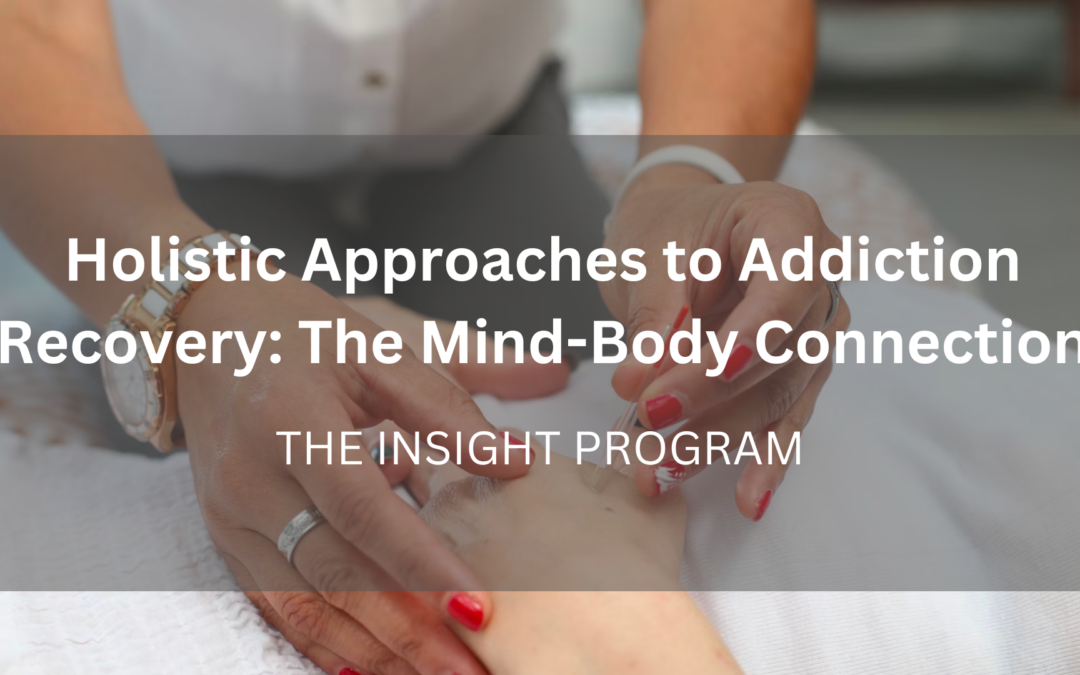
Acupuncture is another holistic therapy that can be beneficial for those in addiction recovery. Acupuncture involves the insertion of thin needles into specific points on the body to stimulate the body’s natural healing processes. In addiction recovery, acupuncture can help to reduce cravings and withdrawal symptoms, promote relaxation and reduce stress, and support overall well-being.
In addition to these therapies, holistic approaches to addiction recovery also prioritize a healthy lifestyle, including regular exercise, a balanced diet, and adequate sleep. These lifestyle changes can help to support physical health and promote a greater sense of well-being, which can be essential for those in recovery from addiction.
In conclusion, holistic approaches to addiction recovery recognize that addiction is a complex interplay of physical, emotional, and psychological factors that require a range of therapies to address effectively. By supporting the mind-body connection through practices like meditation, yoga, and acupuncture, individuals in addiction recovery can cultivate greater self-awareness, reduce stress and anxiety, and promote overall well-being. By making lifestyle changes like regular exercise, a balanced diet, and adequate sleep, individuals in addiction recovery can support their physical health and set themselves up for long-term success in recovery.