
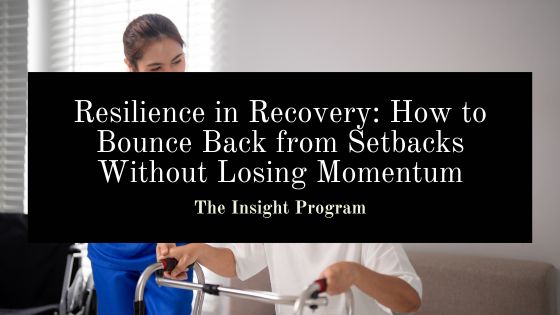
Recovery is not a straight path. Progress often includes moments of struggle, self doubt, and unexpected setbacks. These experiences do not erase growth or define failure. Instead, they offer opportunities to strengthen resilience and deepen commitment to sobriety. Learning how to recover from setbacks without losing momentum is a vital skill for long term healing.
Understanding Setbacks in Recovery
Setbacks can take many forms. They may include emotional overwhelm, resurfacing cravings, conflict in relationships, or feeling disconnected from purpose. These moments are a natural part of recovery and do not mean that progress has stopped.
Viewing setbacks as information rather than judgment helps reduce shame. Each challenge reveals areas that need more care, support, or adjustment. When setbacks are approached with curiosity and compassion, they become stepping stones rather than barriers.
Reframing the Inner Dialogue
Resilience begins with how setbacks are interpreted. Harsh self criticism often leads to discouragement and withdrawal. Supportive self talk creates space for learning and growth.
Replacing thoughts of failure with questions such as what can I learn from this or what support do I need right now keeps recovery moving forward. Self kindness builds emotional strength and reinforces the belief that progress is still possible even after difficult moments.
Returning to Foundational Practices
During challenging times, returning to basic recovery practices provides stability. Consistent sleep, nourishing meals, movement, and structured routines help regulate emotions and reduce stress. These fundamentals anchor the body and mind when confidence feels shaken.
Connection is equally important. Reaching out to a trusted friend, sponsor, counselor, or support group can restore perspective and remind individuals that they are not alone. Momentum often returns when isolation is replaced with connection.
Learning from the Experience
Every setback contains insight. Reflecting on what led up to the moment helps identify triggers, patterns, or unmet needs. Journaling or talking through the experience allows lessons to emerge without judgment.
This reflection can guide small adjustments such as setting clearer boundaries, increasing rest, or practicing new coping skills. Growth happens when experiences are integrated rather than avoided.
Building Emotional Flexibility
Resilience is strengthened by emotional flexibility. This means allowing difficult emotions to exist without trying to escape them. Discomfort does not require immediate relief. It often passes when acknowledged and understood.
Mindfulness practices support this process by encouraging presence rather than reaction. Breathing exercises, grounding techniques, and quiet reflection help calm the nervous system and restore clarity during stressful moments.
Protecting Forward Momentum
Momentum in recovery is built through consistent effort, not perfection. Taking one supportive action after a setback helps restore confidence. This may be attending a meeting, going for a walk, or recommitting to a daily routine.
Celebrating small victories reinforces progress. Each choice aligned with recovery strengthens trust in the process and reminds individuals that setbacks do not cancel growth.
Conclusion
Resilience in recovery is the ability to keep moving forward even when challenges arise. Setbacks are not signs of failure but invitations to learn, adjust, and strengthen commitment. By practicing self compassion, staying connected, and returning to supportive habits, individuals can bounce back with greater insight and renewed momentum. Recovery continues not because it is easy, but because resilience makes growth possible.