
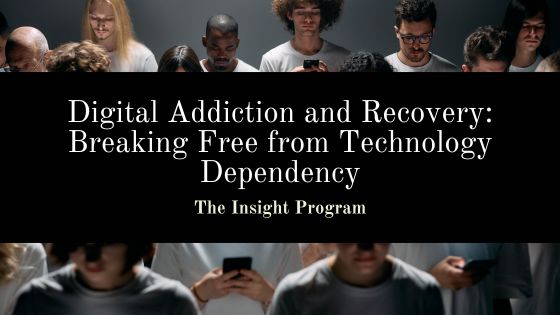
In today’s hyper-connected world, digital addiction is becoming a growing concern. With the constant accessibility of smartphones, social media, video games, and streaming services, many people find themselves compulsively engaging with technology at the expense of their mental, emotional, and physical well-being. Breaking free from digital addiction requires awareness, intentional action, and a commitment to establishing a healthier relationship with technology.
Understanding Digital Addiction
Digital addiction, also known as technology or internet addiction, is characterized by an excessive reliance on digital devices that disrupts daily life. This can manifest in various ways, including:
- Social Media Obsession: Constantly checking notifications, scrolling through feeds, and seeking validation through likes and comments.
- Gaming Addiction: Prioritizing video games over responsibilities, relationships, and self-care.
- Compulsive Internet Browsing: Losing hours to endless searches, news consumption, or binge-watching videos.
- Workaholism in the Digital Age: Inability to disconnect from work emails and tasks, leading to burnout.
Recognizing these behaviors is the first step toward recovery.
The Impact of Digital Addiction
Excessive technology use can have profound effects on mental and physical health, including:
- Increased Anxiety and Depression: Overuse of social media and digital platforms can contribute to feelings of inadequacy, loneliness, and low self-esteem.
- Reduced Attention Span: Constant digital stimulation diminishes the brain’s ability to focus and process information deeply.
- Sleep Disruptions: Exposure to blue light from screens interferes with melatonin production, leading to poor sleep quality.
- Weakened Social Skills: Excessive online interactions can replace meaningful in-person relationships and communication skills.
Steps to Overcome Digital Dependency
Breaking free from digital addiction requires a conscious effort to set boundaries and develop healthier habits. Here are some effective strategies:
- Set Screen Time Limits: Use built-in smartphone features or apps to track and limit daily screen time.
- Create Tech-Free Zones: Designate areas in your home, such as the bedroom or dining room, as technology-free spaces.
- Practice Digital Detoxing: Schedule regular breaks from screens, whether for a few hours each day or an entire weekend.
- Prioritize Offline Activities: Engage in hobbies like reading, exercising, or spending time with friends and family without digital distractions.
- Use Mindfulness Techniques: Incorporate meditation or breathing exercises to regain focus and resist compulsive technology use.
- Seek Support: Join support groups or work with a therapist to develop coping strategies for reducing digital dependency.
The Benefits of a Balanced Digital Life
By regaining control over technology use, individuals can experience numerous benefits, including:
- Improved Mental Well-Being: Reduced stress, anxiety, and depression.
- Stronger Relationships: More meaningful connections with family and friends.
- Better Sleep and Focus: Enhanced productivity and overall cognitive function.
- Greater Sense of Fulfillment: More time for personal growth, creativity, and real-world experiences.
Conclusion
Digital addiction is a modern challenge, but with mindfulness and intentional effort, it is possible to reclaim control over technology use. By setting boundaries, engaging in offline activities, and practicing self-awareness, individuals can create a healthier, more balanced relationship with digital devices. Recovery from digital addiction isn’t about completely eliminating technology—it’s about using it in a way that enhances, rather than controls, life.