
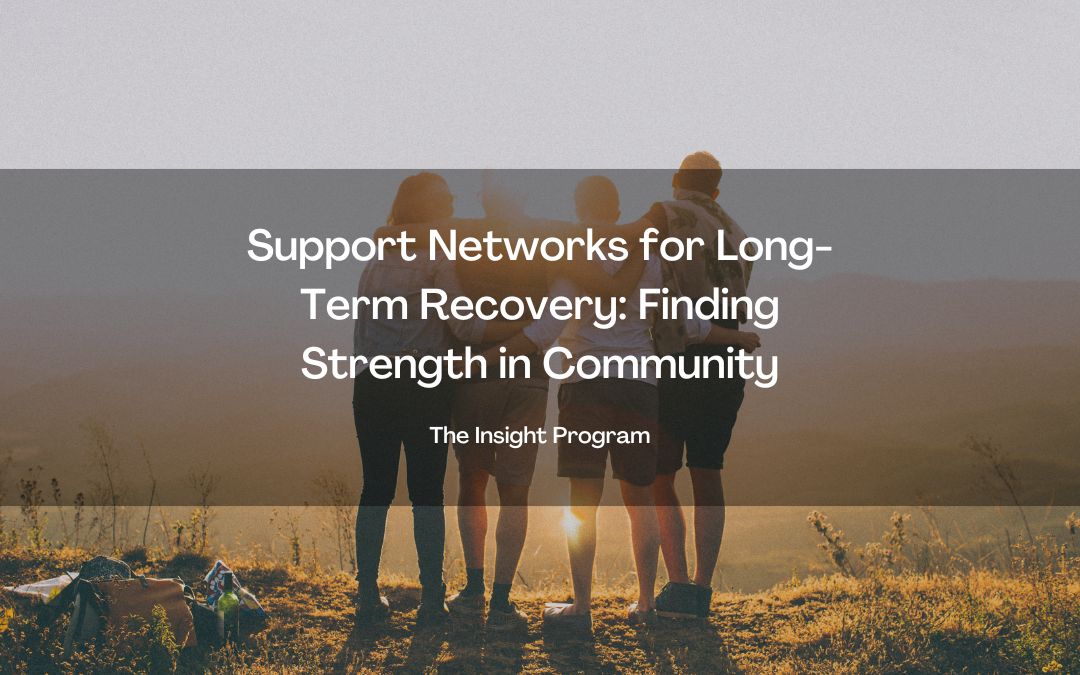
In the journey towards recovery from substance use, mental illness, or other conditions, seeking help and admitting vulnerability can be challenging. However, utilizing every available resource, especially a strong support network, is crucial for achieving long-term recovery. A support system encompasses a diverse group of individuals, including healthcare professionals, personal connections, and support groups, all working together to provide encouragement, comfort, and guidance throughout the recovery process.
Understanding the Support Network:
A support network consists of everyone directly involved in an individual’s recovery journey. This network comprises people who genuinely care about the person’s well-being and are committed to supporting their sobriety, offering assistance during both progress and setbacks. Research by the Substance Abuse and Mental Health Services Administration highlights the direct link between the quality of personal relationships and positive outcomes in addiction recovery. An effective support system may include healthcare experts, family members, sober friends, sponsors, group therapy, and online communities.
The Vital Role of Support Systems in Recovery:
Gone are the days when addiction recovery was seen as merely a matter of personal strength or willpower. Social bonds play a crucial role in reducing stress, enhancing feelings of belonging, and improving overall quality of life. While mindset shifts and attitude changes are essential for recovery, trying to navigate these challenges alone can be needlessly difficult. A robust support network of diverse individuals provides the necessary encouragement and understanding that significantly impacts the recovery journey.
Types of Support Networks in Addiction Treatment and Recovery:
1. Detox and Rehab Community: A drug and alcohol treatment facility can provide an excellent starting point for those seeking recovery, offering a ready-made support structure and access to vital resources.
2. Recovery Programs: Support groups like 12-step programs, SMART Recovery, and others foster peer discussions, empathy, and valuable insights.
3. Psychotherapy or Counseling: Qualified therapists help individuals understand triggers, develop coping mechanisms, and provide essential support.
4. Alumni Groups and Aftercare Programs: These facilitate ongoing connections, providing resources and lifelong bonds among those in recovery.
5. Online Groups: Digital communities offer flexibility and accessibility, supporting individuals in their commitment to recovery.
6. Sober Living Homes: For those lacking a stable home environment, these facilities offer a structured, supportive setting.
7. Family and Significant Others: Involvement and understanding from loved ones are essential elements of a robust support system.
8. Peer Sponsors and Sober Friends: Mentors and like-minded friends provide guidance and camaraderie.
Tips for Nurturing Your Support Network:
• Be specific when asking for help to ensure others understand your needs.
• Be patient with loved ones, even if past relationships were troubled.
• Respond to healthy check-ins from supportive individuals.
• Offer positive feedback for helpful actions or words.
A support network is a lifeline in the recovery journey, offering strength, encouragement, and understanding. Utilizing various types of support systems, individuals can find a sense of community that fosters long-term recovery success. By embracing the power of collective support, we can overcome challenges and build a healthier, more fulfilling life in recovery.