
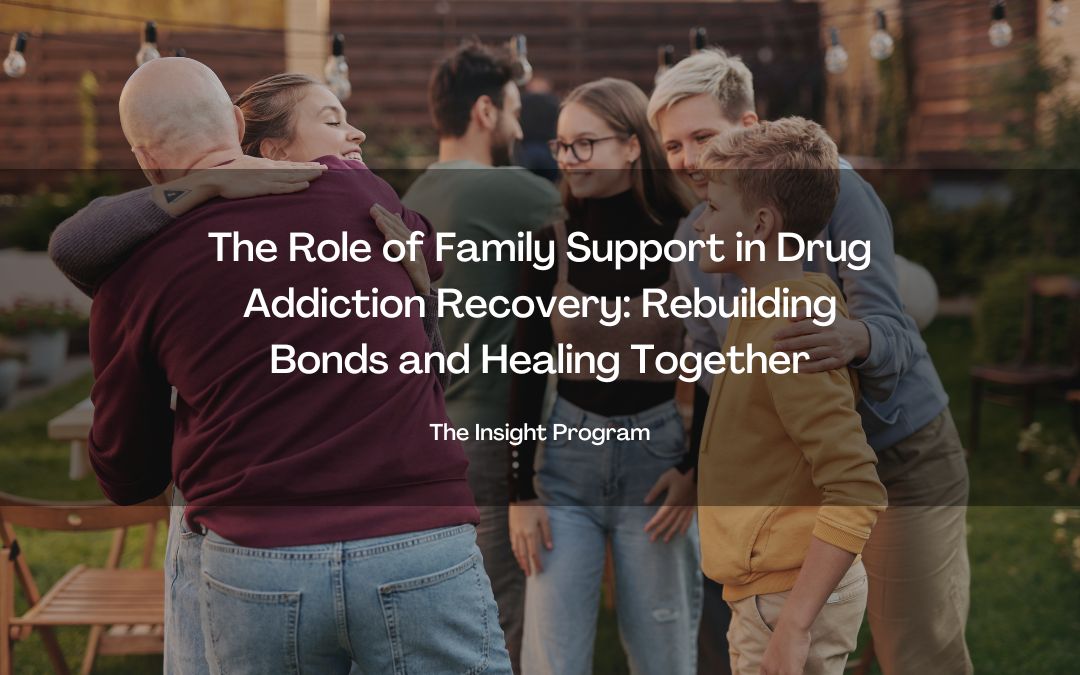
Addiction is a complex and devastating disease that affects not only the individual struggling with substance use but also their entire family. When someone in the family battles addiction, it throws the family ecosystem off balance, causing emotional struggles, financial difficulties, and even legal issues. However, families can also play a crucial role in supporting their loved one’s recovery journey. Let’s explore why addiction is often referred to as a family disease and the significance of family support in helping individuals overcome addiction.
Understanding Family and its Impact:
Family extends beyond the traditional nuclear unit; it includes extended family, chosen family, and anyone with consistent emotional involvement in a person’s life. Addiction’s impact is pervasive, often transmitted between family members. Spouses, children, and others close to the individual with a substance use disorder (SUD) can suffer emotional and psychological hardships as the addiction worsens.
Roles in Families with Addiction:
In families where addiction is active, members often take on specific roles to cope with the chaos. The addicted individual’s life revolves around obtaining and using substances, while the enabler or caretaker attempts to shield them from negative consequences. The oldest child may become the hero, trying to take care of the addicted family member and shouldering immense responsibility.
The scapegoat distracts from the addict’s issues through negative behaviors, while the mascot uses humor or charm to ease family tension. The lost child, often isolated, struggles to have their needs recognized. Each role helps family members cope, but it can also lead to unhealthy patterns.
Importance of Family Support in Recovery:
Family involvement is instrumental in an addicted person’s recovery. Family members can:
1. Intervene in crisis situations and support their loved one to seek treatment.
2. Provide vital information to treatment professionals for personalized care.
3. Advocate for their needs and rights during the recovery process.
4. Support adherence to treatment and aftercare plans, reducing the risk of relapse.
Benefits of Family Involvement:
Studies show that when families actively participate in the recovery process, the addicted individual is less likely to relapse or be hospitalized. They are also more likely to adhere to treatment and achieve long-term recovery. Family members themselves can benefit from education about addiction, learning healthy coping strategies, and improving their own well-being.
How to Support Your Loved One’s Recovery:
1. Take part in treatment: Visit when possible or engage in regular communication to show support and pride in their recovery efforts.
2. Seek help for yourself: Join support groups or individual therapy to improve coping skills and avoid enabling behaviors.
3. Set healthy boundaries: Encourage treatment while allowing natural consequences to motivate change.
Addiction is a family disease, impacting the lives of everyone involved. However, family support plays a vital role in the recovery journey. By understanding and addressing the different family roles, families can rebuild bonds and foster healing together. Supporting a loved one with addiction requires patience, education, and a commitment to their well-being. Through united efforts, families can help break the cycle of addiction, fostering a healthier, happier future for everyone involved.