
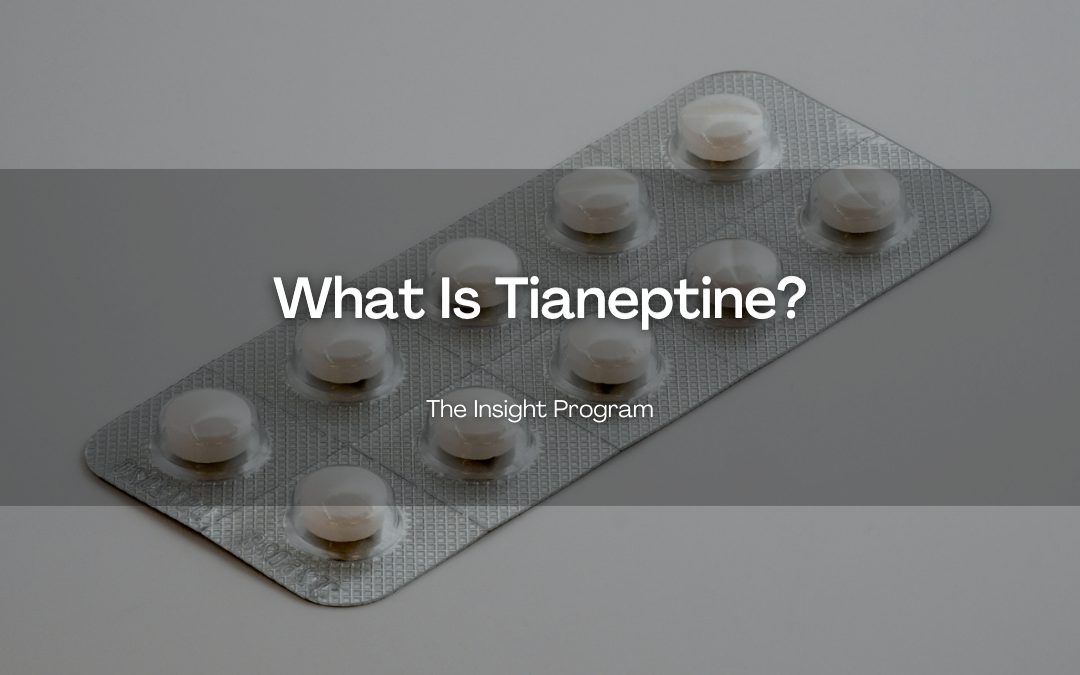
Understanding Tianeptine
The pandemic has led to a rise in anxiety and depression, resulting in increasing rates of substance use disorders. Some people facing these issues caused by COVID-19 have started experimenting with drugs to relieve stress. Notably, Tianeptine has recently become an issue of concern for health officials as its abuse in the U.S. has skyrocketed 24-fold between 2014 to 2019. It is touted for its purported ability to reduce anxiety, depression, and pain, in addition to combatting Opioid addiction – traits that make it popular in many parts of Asia, Europe, and Latin America, where it is used to treat depression. However, this drug can be extremely dangerous if misused and is often marketed as a dietary supplement or nootropic, which makes it even more of a threat to public health.
The Opioid Epidemic has caused thousands of deaths in the U.S., with Heroin, Fentanyl, prescription Opioids, and Carfentanil as the main culprits. It has been further exacerbated by the Coronavirus pandemic, leading to increased substance abuse, suicide rates, and overdoses. From 2000 to 2017, the National Poison Data System reported receiving 218 calls involving exposure to Tianeptine as a result of efforts to deal with and ease mental health issues.
How Tianeptine Works
Tianeptine is a drug that claims to be a neuroprotective antidepressant that reverses neurological damage caused by uncontrolled stress. It purportedly boosts mood and creates euphoric feelings. However, the drug is not approved by the FDA for use in the United States. Research is still ongoing despite this. Although legal in some countries, research is ongoing as the FDA monitors its use.
Tianeptine is available orally or intravenously in doses of 25-50 mg. It works on the neurochemical interactions of the brain that increase serotonin uptake to reduce stress and improve mood. It also activates the brain’s Opioid receptors to produce a mood-boosting dopamine effect similar to kratom and other Opioids, contributing to its poor reputation in the U.S.
Tianeptine Risks And Side Effects
The FDA considers Tianeptine (also known as Tianna, Tianeptine sodium powder, Tianna Green, Tianna Red, and Tianna White) a highly addictive drug. Recent accounts of its use have prompted health professionals to look into its addictive qualities and potential dangers. In addition to the withdrawal symptoms that come with prolonged use of the drug, it can lead to cravings for other Opioids or Opioid-like drugs.
The CDC found that Tianeptine carries extensive risks when taken with other drugs, such as alcohol, Opioids, Benzodiazepines, or Phenibut, which can lead to an increased risk of overdose and other health complications. Furthermore, as tolerance or dependence increases, users may experience similar effects as Opioid addiction, including its side effects and withdrawal symptoms. Side effects that have been reported for Tianeptine are still under review. These effects can include IBS, gastrointestinal issues, addiction, overdose, fatigue, coma, confusion, and even death. Cardiovascular, neurological, and respiratory symptoms have also been reported as side effects of long-term or high-dosage usage. If help is needed, a treatment provider can help explore available options.
Neurological, cardiovascular, and respiratory symptoms have been reported as side effects of long-term use or frequent high dosages of drugs, and it is recommended to get detox or tapering in a medical facility to prevent withdrawal. If help is needed, contact a treatment provider to explore options.
Tianeptine Withdrawal And Signs Of Abuse
Tianeptine can cause a range of withdrawal symptoms depending on usage, dosage, and other substances involved. Common symptoms include anxiety, vomiting, agitation, pain, confusion, depression, headaches, insomnia, suicidal ideations, tremors, and diarrhea. Signs of abuse may be present if someone cannot stop taking the drug, needs more to feel normal, combines it with other drugs, experiences withdrawals, or has developed a tolerance.